A primary example of this diplomatic persistence is the ongoing conflict between Russia and Ukraine. Recently, officials from Washington, Moscow, and Kyiv convened in the United Arab Emirates for trilateral discussions. Although active combat continues on the front lines, these meetings serve as a critical mechanism for conflict management. Experts argue that such engagements are essential tools of statecraft, designed to explore potential resolutions and ensure that communication does not break down entirely during times of crisis. These efforts signify a proactive attempt to stabilize the region rather than an expansion of hostilities.
Similarly, the relationship between the United States and Iran has seen a shift toward cautious engagement. Indirect negotiations hosted in Oman have been characterized by both parties as constructive steps toward reducing regional friction. This approach highlights a broader trend in American foreign policy: the integration of military deterrence with active dialogue. By utilizing intermediaries in the Middle East, the United States aims to maintain stability and avoid the pitfalls of direct military confrontation, demonstrating that negotiation remains a cornerstone of modern national defense.
To contextualize these events, one must understand the evolution of military engagement. The United States has not issued a formal declaration of war since World War II. Instead, modern operations in places like Iraq and Afghanistan have been conducted through Congressional Authorizations and international mandates. Today’s geopolitical landscape favors limited, targeted actions over total war. This shift reflects changes in international law and the nature of security threats, where precision and coalition-building are prioritized over traditional declarations.
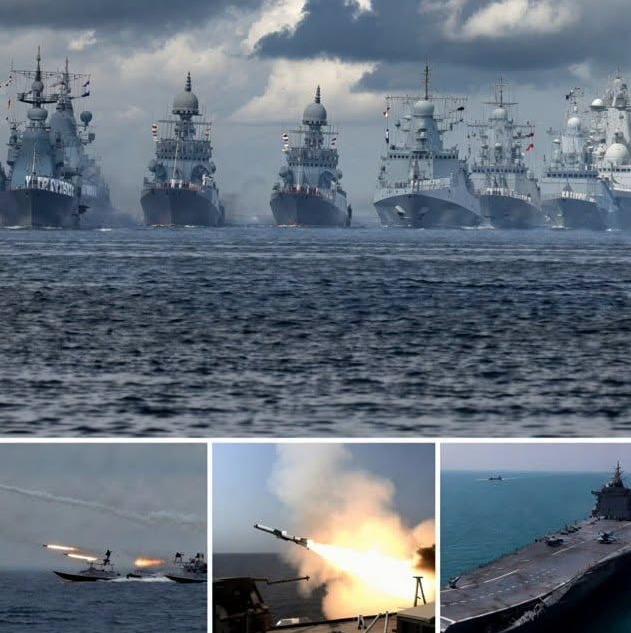
Furthermore, domestic security concerns, such as recent incidents in Minnesota, remind us that local events can influence national security discourse. While these issues are managed by state authorities, they contribute to the broader conversation about safety and Misinformation. In an era where sensationalism can spread rapidly, distinguishing between strategic military posture and actual warfare is vital for accurate public understanding. The current global posture is defined not by the start of a new war, but by the relentless pursuit of stability through a combination of strength and diplomacy.