Recent developments highlighted in the MeidasTouch report suggest a quiet but significant realignment in Middle East diplomacy, with long-standing U.S. influence facing growing resistance from regional powers pursuing independent security frameworks.
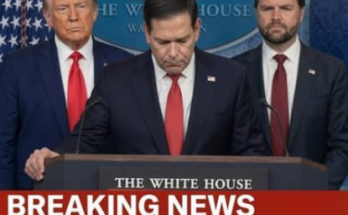
According to the video, Saudi Crown Prince Mohammed bin Salman reportedly declined a formal meeting and photo opportunity with Secretary of State Marco Rubio, signaling a noticeable diplomatic cold shoulder during a high-stakes regional visit.
Rubio’s trip was intended to reinforce U.S. military partnerships and secure continued access to strategic bases across the Gulf. Instead, it appears to have underscored widening gaps between Washington and key regional actors.

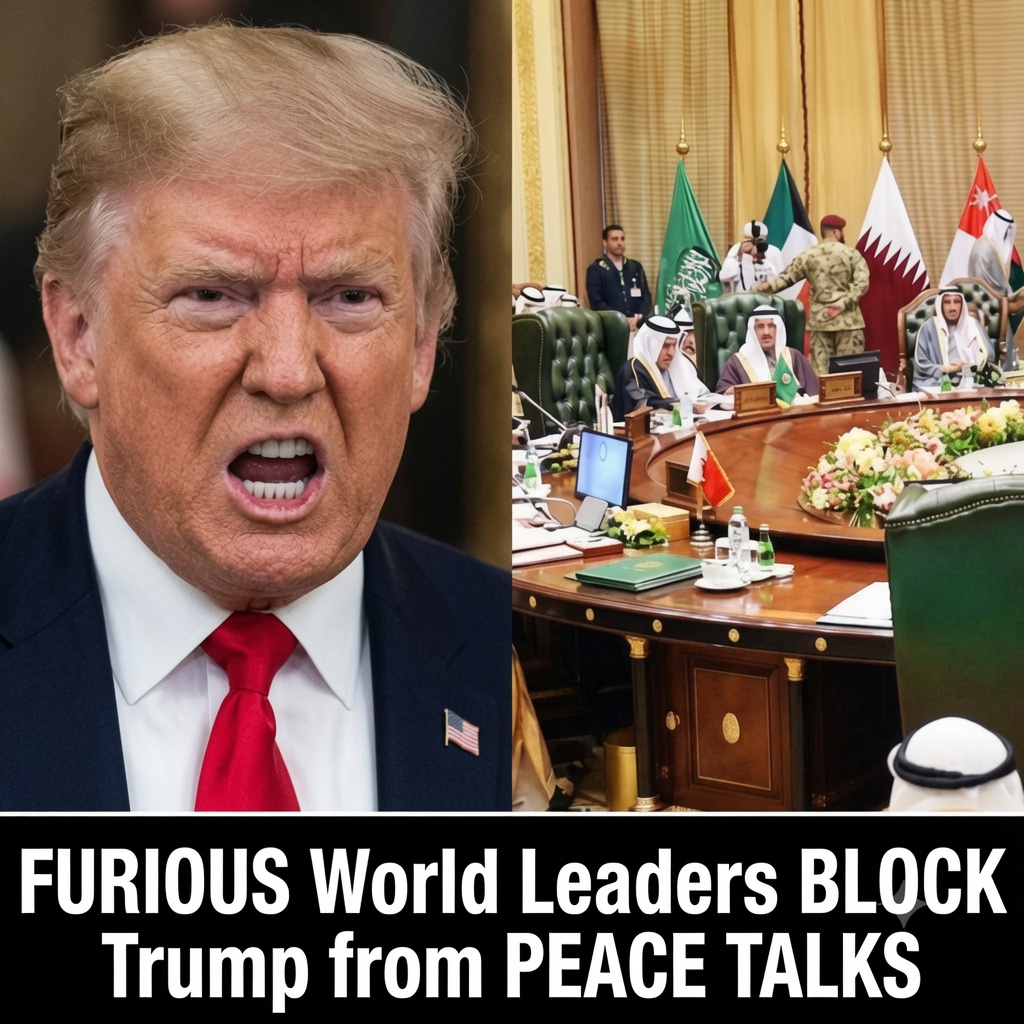
The report further claims that Gulf Cooperation Council members, including Qatar and Saudi Arabia, are now engaging in direct reconciliation efforts with Iran, bypassing traditional U.S.-mediated security structures that have defined the region for decades.
This emerging framework is described as multi-polar in nature, prioritizing regional dialogue over external oversight. It represents a shift away from earlier U.S.-backed initiatives such as the Abraham Accords, which aimed to reshape normalization in the region.
In parallel, the video highlights reported frustration among UAE leadership and business elites, who allegedly feel misled by inconsistent U.S. messaging and what they perceive as unpredictable policy direction regarding Iran and regional conflict management.

Citing external reporting, the host argues that this sentiment reflects a broader erosion of confidence among Gulf stakeholders who once viewed Washington as the central stabilizing force in Middle Eastern geopolitics.
Another focal point is the growing dispute over the recent U.S.–Iran Memorandum of Understanding, particularly conflicting interpretations surrounding shipping regulations and tolling authority in the Strait of Hormuz.
Iranian officials have publicly challenged U.S. statements on the agreement, accusing Washington of selectively interpreting the text in ways that diverge from what was formally documented during negotiations.
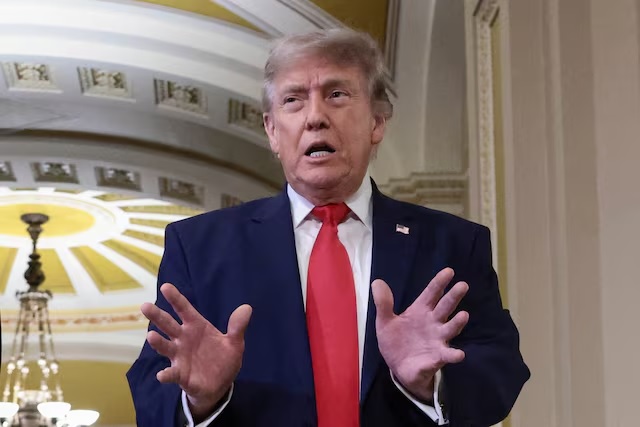
These contradictions are presented in the video as evidence of a deeper diplomatic breakdown, where even foundational agreements are subject to competing narratives depending on political framing and domestic audience targeting.
Meanwhile, progress on ceasefire discussions involving Israel and Lebanon is described as stalled, with reports indicating demands for expanded operational zones inside southern Lebanon complicating withdrawal negotiations.
The combination of stalled peace talks, fragmented alliances, and emerging regional diplomacy suggests a Middle East landscape that is increasingly shaped by local actors rather than a single dominant external power.
Ultimately, the video frames this moment as a structural shift rather than a temporary diplomatic dispute, raising questions about whether U.S. strategic influence in the region is entering a long-term period of recalibration.