Maher Schiff War Powers Debate Highlights Political Tensions
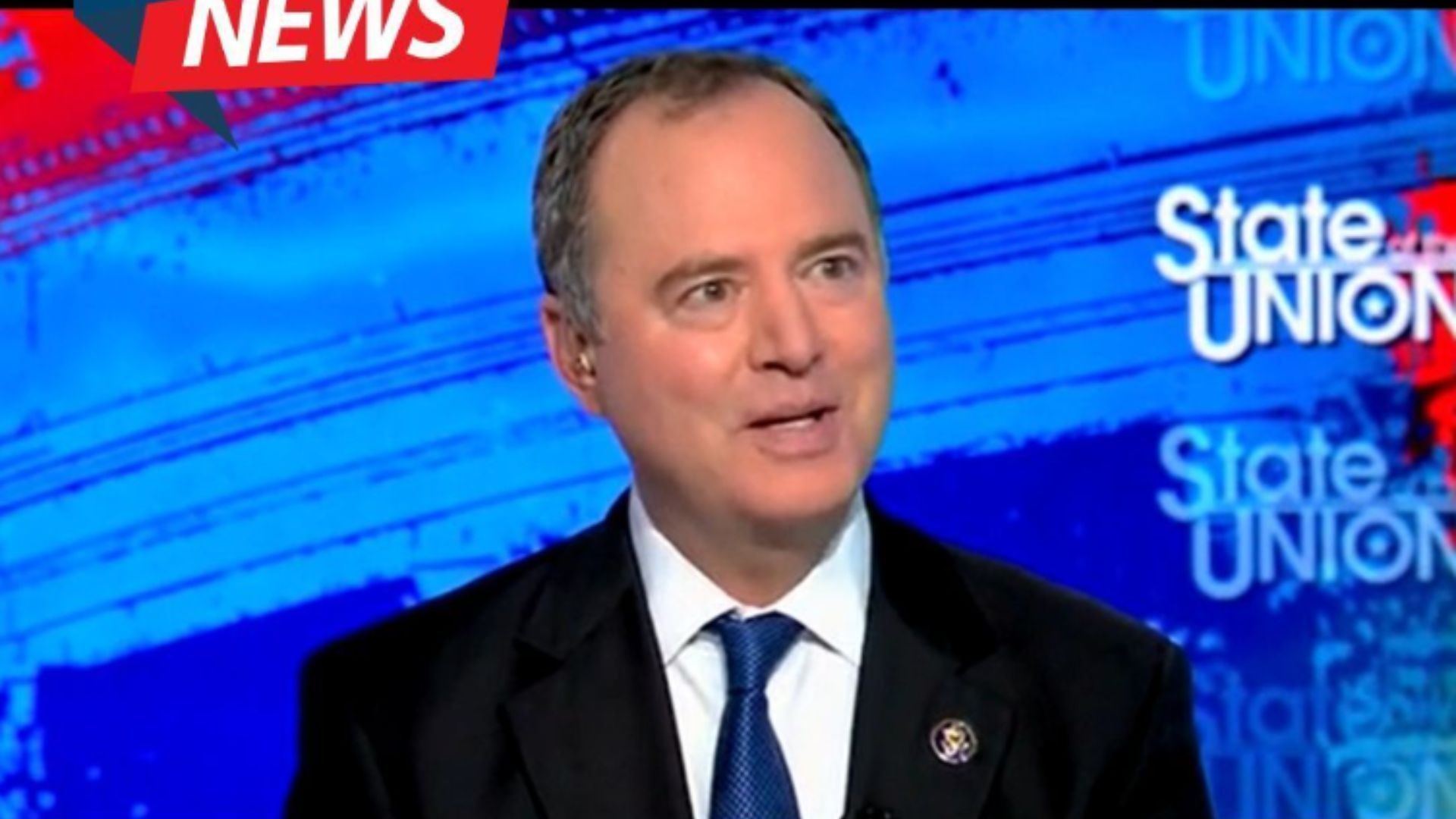
The Maher Schiff War Powers Debate gained attention during a recent episode of HBO’s Real Time with Bill Maher. Democratic California Sen. Adam Schiff appeared on the program alongside Don Lemon of CNN.
During the discussion, the panel examined U.S. military operations involving Iran. However, the conversation quickly shifted to a broader debate about presidential authority in wartime.
Maher challenged Schiff on what he described as possible Democratic inconsistency regarding presidential war powers. He read a statement defending a president’s ability to authorize military action without congressional approval.
Maher quoted the statement directly before asking Schiff for his reaction.
Maher Schiff War Powers Debate Centers on Presidential Authority
The Maher Schiff War Powers Debate intensified when Maher asked Schiff whether the statement sounded too broad. Schiff responded that the wording was “totally vague.”
Maher then revealed the statement’s origin. The quote came from the Obama administration defending U.S. military operations in Libya in 2011.
The administration had argued that the president could direct military force if it served the national interest. Maher used the quote to highlight previous Democratic positions on executive authority.
This revelation shifted the conversation during the broadcast. Schiff responded by discussing a different foreign policy dispute from the same period.
Schiff References Obama-Era Syria Debate
During the Maher Schiff War Powers Debate, Schiff pointed to another situation involving President Barack Obama. He noted that Obama once argued he could launch military action in Syria without congressional approval.
However, Schiff said he and other lawmakers challenged that claim at the time. According to Schiff, several members of Congress opposed the argument.
Schiff also said Obama ultimately chose not to move forward with military action. The president reportedly believed Congress might not support the decision.
The issue involved Syrian leader Bashar al Assad, who was accused of using chemical weapons against civilians. Schiff said Obama refrained from action because congressional approval appeared uncertain.
Constitutional Debate Over War Powers
The Maher Schiff War Powers Debate reflects a long-running constitutional issue. The U.S. Constitution grants Congress the authority to declare war.
Specifically, Article I, Section 8, Clause 11 assigns that responsibility to lawmakers. However, presidents have often ordered military operations without formal declarations of war.
These actions have occurred under administrations from both major political parties. The practice dates back to the earliest years of the United States.
The legal debate intensified during the Libyan civil war in 2011. The Obama administration authorized U.S. participation in NATO-led military operations during that conflict.
Critics and Supporters Clash Over Libya Intervention
The Maher Schiff War Powers Debate revived arguments from the Libya intervention. The Obama administration said the operation fit within the president’s constitutional authority.
Officials also cited international commitments to justify participation in the NATO campaign. However, critics argued the action violated the War Powers Resolution.
The Cato Institute, a libertarian think tank, criticized the administration’s legal reasoning. Analysts argued that Libya did not pose a direct threat to the United States.
Congress debated the issue while the conflict continued. In June 2011, lawmakers voted on a War Powers Resolution related to Libya.
Congressional Vote and Ongoing War Powers Debate
During the Maher Schiff War Powers Debate, earlier congressional votes became relevant again. The 2011 resolution aimed to remove U.S. forces from Libya.
However, the measure ultimately failed in Congress. At the time, Adam Schiff served as a member of the House of Representatives.
Schiff voted against the resolution that would have ended U.S. involvement in the conflict. The vote became part of the broader historical context discussed during the program.
Today, the debate over presidential authority continues. Critics of President Donald Trump say Congress should approve military operations against Iran.
Supporters argue that presidents from both parties have historically used similar authority. They say commanders in chief often act when they believe military force serves national interests.