Rising Fuel Costs After Middle East Tensions
Gasoline prices spike amid Iran conflict following joint U.S.-Israeli military operations against Iran. The situation has shaken global oil markets and pushed fuel prices higher.
AAA reported that the national average price for regular gasoline reached $3.32 per gallon on Friday. Just one week earlier, the average stood at $2.98 per gallon.
Strait of Hormuz Disruptions Impact Markets
Meanwhile, Iran has taken steps to disrupt shipping through the Strait of Hormuz, a major global oil transit route. The waterway links the Persian Gulf with the Gulf of Oman.
Normally, the passage carries about 20 percent of global petroleum liquids consumption. Therefore, any threat to shipping there can quickly influence worldwide energy markets.
Officials Say Price Spike Could Be Temporary
Energy Secretary Chris Wright said the surge may not last long. He suggested that gasoline prices could begin easing within weeks.
According to Wright, the disruption to oil markets is likely temporary. He also said the interruption relates to efforts to stop Iran from destabilizing the region.
Analysts Warn Disruptions Could Worsen
However, analysts say prolonged disruptions could deepen the price surge. Patrick De Haan, head of petroleum analysis at GasBuddy, warned that missing oil shipments could strain global supply.
He said millions of barrels that usually reach global buyers may not arrive during the disruption. Additionally, each day of delays increases the backlog of shipments.
Market Pressure If Shipping Lane Closes
Energy analysts also warned that extended restrictions in the Strait of Hormuz could sharply raise oil prices. Such a move could increase inflation risks and place pressure on the White House.
Even if the strait reopened immediately, markets would still need time to recover. The backlog of shipments could take days to clear.
Trump Downplays Long-Term Fuel Concerns
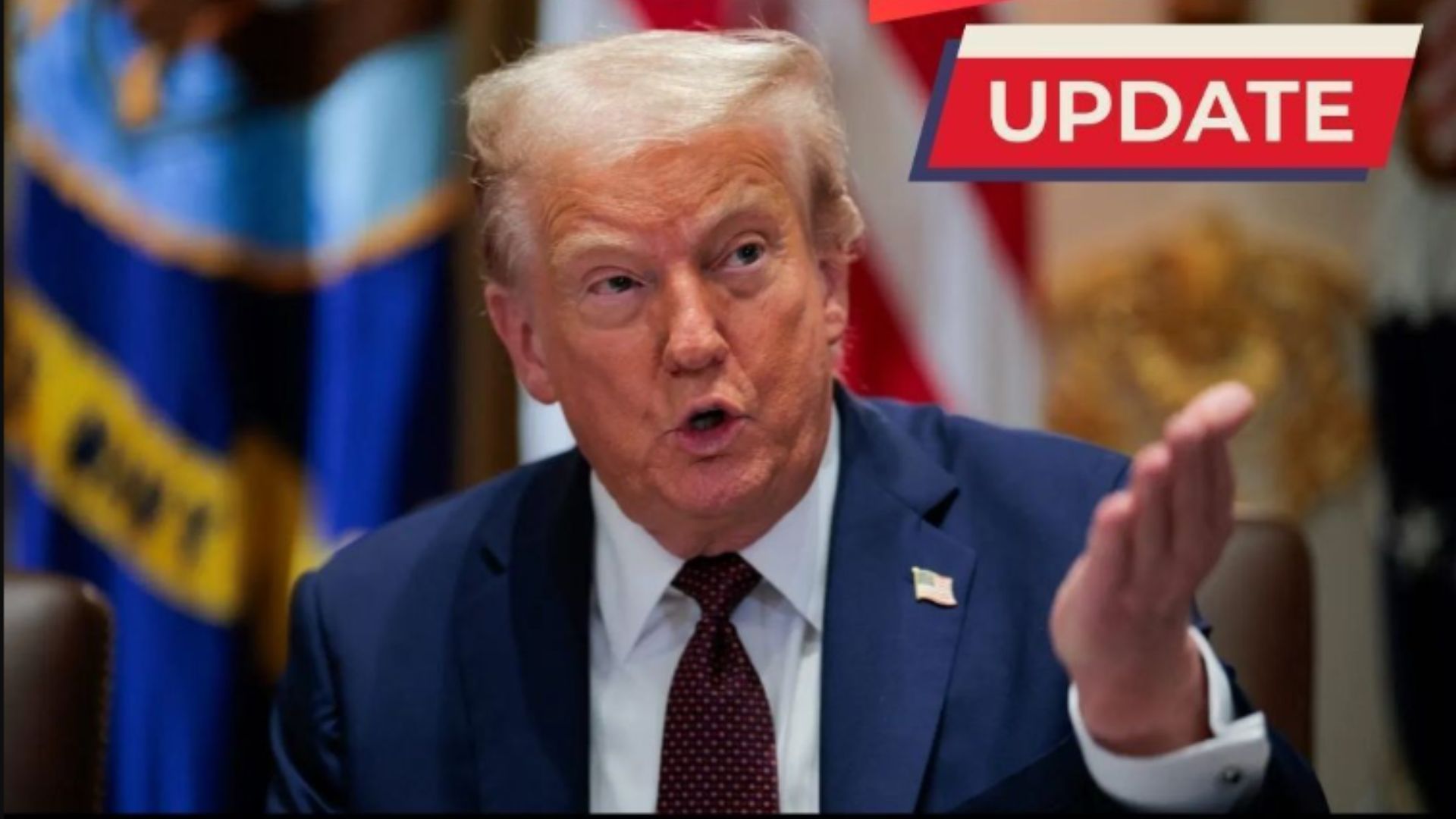
President Donald Trump said he is not worried about long-term fuel price increases. He told Reuters that gasoline prices should drop rapidly once the conflict stabilizes.
Trump said the broader security situation is more important than a temporary rise in fuel prices. Meanwhile, the administration argues that ongoing military and naval actions will help stabilize oil markets.
Nuclear Negotiations Add Another Layer
Separately, Oman’s foreign minister reported a possible breakthrough in negotiations with Iran over its nuclear program. The proposal reportedly includes eliminating Iran’s stockpile of enriched uranium.
Under the plan, Iran would allow full monitoring by the International Atomic Energy Agency. Existing nuclear material would also be converted into reactor fuel.
IAEA Raises Concerns About Nuclear Material
However, the International Atomic Energy Agency (IAEA) circulated a confidential report raising concerns about undeclared nuclear material in Iran. Inspectors said they could not verify the size or location of the material.
The agency also reported a “loss of continuity of knowledge” regarding Iran’s nuclear inventory. Therefore, questions remain about the country’s nuclear activities.
For now, fuel markets will likely react to daily developments in the Middle East. Shipping routes, refinery operations, and oil exports will continue shaping price trends.