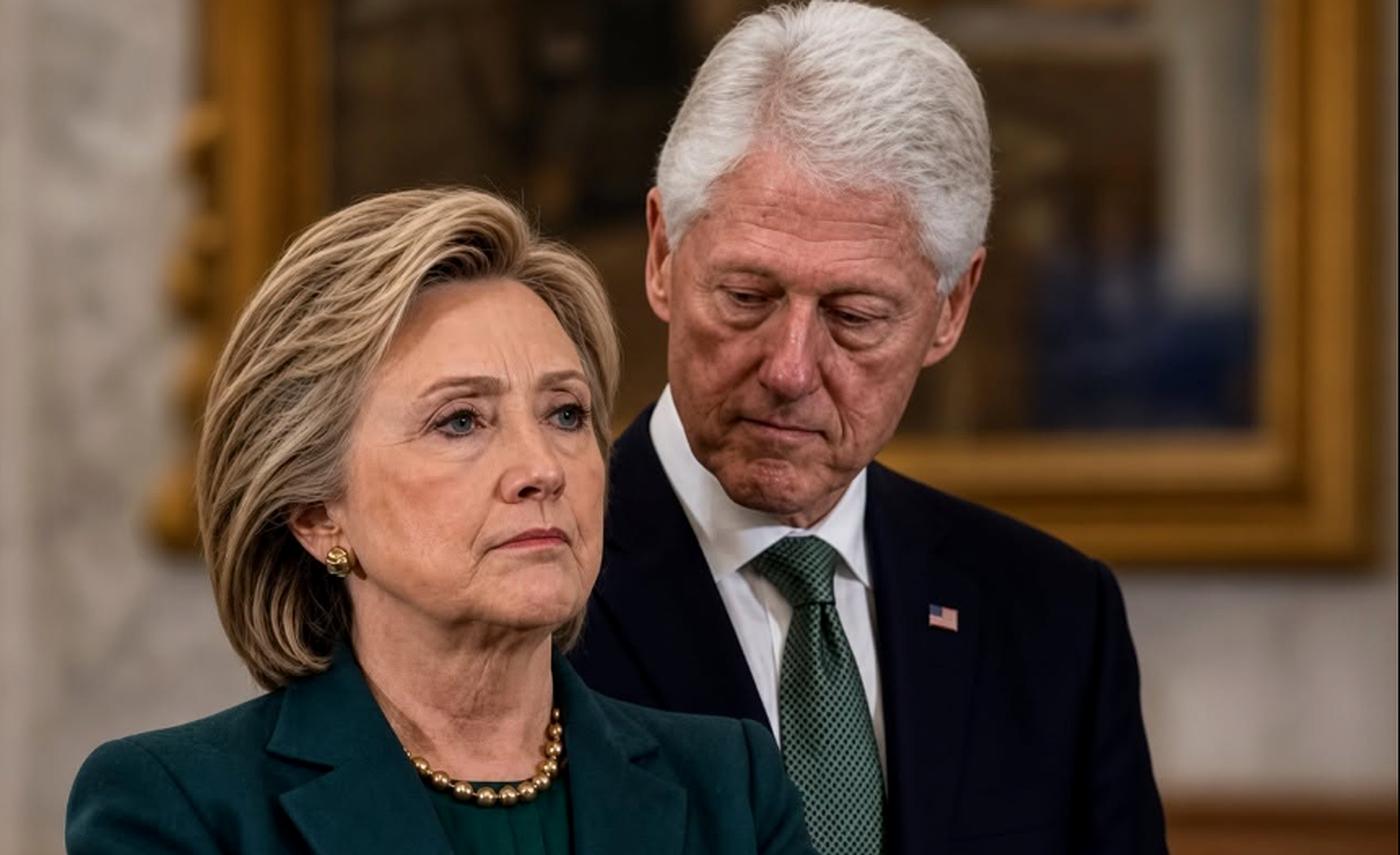
House Republicans explored potential criminal contempt referrals against the Clintons after they initially missed congressional subpoenas related to a federal investigation into associates.
The House Oversight Committee issued subpoenas to both Bill and Hillary Clinton as part of an examination into individuals and institutions connected to a federal case. When scheduled appearances did not occur in January 2026, the committee voted on contempt recommendations with support crossing party lines, reflecting congressional demands for transparency on the matter.
How the Process Unfolded
Lawyers for the Clintons challenged the committee’s approach while negotiations proceeded over testimony terms. The confrontation involved both a substantive investigation and an institutional struggle over Congress’s power to obtain information from witnesses regardless of political status.
Any criminal contempt referral from the House would move to the executive branch, where prosecutors make independent decisions about charges. A referral does not automatically produce an indictment, and an indictment does not establish guilt.
What Changed Later
The Clintons agreed to appear for depositions following negotiations conducted while contempt proceedings remained possible. Hillary Clinton testified before House investigators in February 2026, stating she had no knowledge of the crimes under investigation.
Bill Clinton was also scheduled to be questioned as part of the same process. The agreement demonstrated that political pressure at one moment did not necessarily reflect the final outcome of the investigation.
The Grand Jury Question
Commentators speculated about how prosecutors and potential jurors in Washington, DC, might receive a criminal contempt referral. Some observers suggested the city presented political challenges for cases involving prominent Democrats, though this represented opinion about a hypothetical scenario rather than confirmed grand jury action.
Federal grand juries hear evidence prosecutors present and determine whether probable cause exists for charges. Grand jury proceedings remain secret, and outsiders typically do not know what evidence was presented or how jurors reasoned through their decisions.
Broader Congressional Authority
The episode renewed debate about whether congressional subpoenas face consistent enforcement across political lines. Lawmakers from both parties have accused opponents of treating compulsory process as optional when politically convenient.
A credible system requires clear legal authority, fair procedures, and standards that do not vary based on a witness’s identity or political affiliation. The most accurate accounting includes the contempt votes, subsequent negotiations, and later depositions rather than treating proposed legal steps as completed prosecutions.