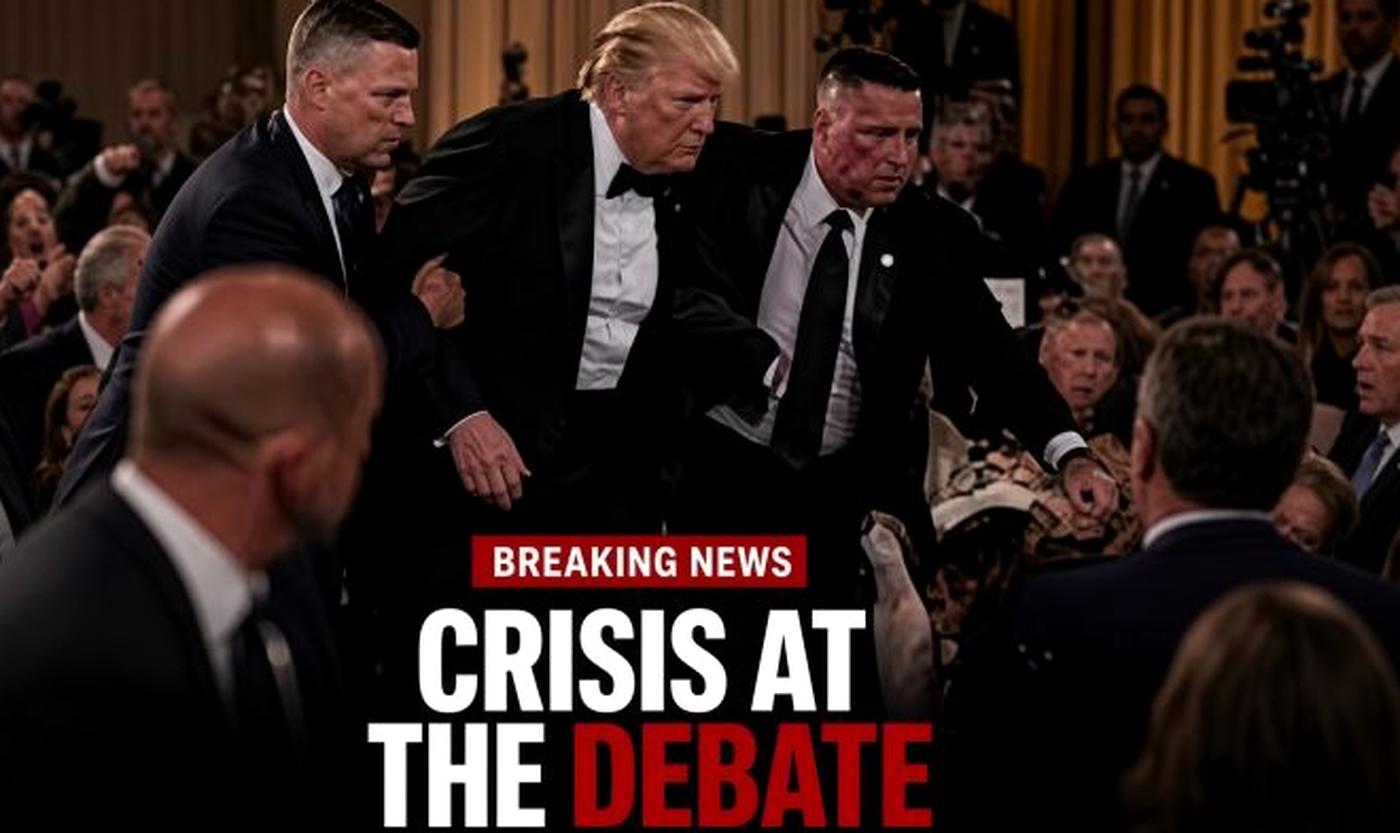
WASHINGTON — Alarming claims that former President Donald Trump had allegedly been “shot again” in Washington, D.C., spread rapidly across social media, triggering concern and confusion among users. However, the dramatic reports remain unverified, and no credible evidence has emerged confirming that Trump was the victim of a new shooting.
No official statement from the U.S. Secret Service, federal law enforcement authorities, a hospital or another authoritative source has confirmed that Trump was attacked or injured in Washington. Major U.S. and international news organizations have also not reported a verified shooting involving the former president.
The lack of confirmation is particularly significant given Trump’s security status and the enormous media attention that would accompany any credible report of an attack against him.
Unverified Posts Fuel Online Confusion
Much of the speculation appears to have originated from social media posts using highly emotional and sensational language. Such posts can spread rapidly, particularly when they involve a prominent political figure.
In some cases, misinformation is fueled by recycled photographs, old videos or misleading captions that remove material from its original context. A piece of footage from a previous incident can be presented as if it were current, while vague descriptions can encourage users to fill in missing details themselves.
The result can be a rapidly expanding narrative that appears credible simply because thousands of people are discussing it.
That appears to be what happened with the latest claims involving Trump. Despite the widespread online reaction, the underlying allegation has not been independently established.
Separate From the 2024 Assassination Attempt
The current claims should also not be confused with the very real assassination attempt against Trump at a campaign rally in Butler, Pennsylvania, in July 2024.
Trump was wounded during that attack, which was extensively documented and investigated by federal authorities. The incident resulted in significant changes to his security arrangements and generated a major national debate over political violence and presidential protection.
Because that event actually occurred, references to Trump being “shot again” can make new rumors appear more believable to audiences familiar with the earlier attack.
But there is currently no verified evidence that a second shooting occurred as described in the viral posts.
Why Verification Matters
False reports involving political leaders can have serious consequences. They can create unnecessary panic, fuel political tensions, overwhelm emergency communication channels and undermine confidence in legitimate journalism.
The speed of social media makes the problem especially difficult. Users can share a dramatic claim with millions of people within minutes, while professional journalists and authorities may require considerably more time to verify the information.
Experts therefore recommend checking multiple independent sources before accepting extraordinary claims as fact. Official government statements and established news organizations are particularly important when allegations involve national security or the safety of a former president.
No Confirmed Shooting Report
At this time, the allegation that Donald Trump was “shot again” in Washington remains unsubstantiated.
There has been no credible confirmation from federal authorities or major news organizations establishing that such an attack occurred.
The episode is another reminder that the phrase “breaking news” does not automatically make an online claim legitimate. In an environment where misinformation can travel faster than verified reporting, careful scrutiny is essential.
Until authoritative sources provide evidence to the contrary, the viral claim should be treated as an unverified rumor rather than a confirmed attack.
For the public, the most responsible response is simple: pause, verify and avoid sharing sensational claims until reliable sources establish what actually happened.