Fetterman Iran War Powers Resolution Vote Divides Senate
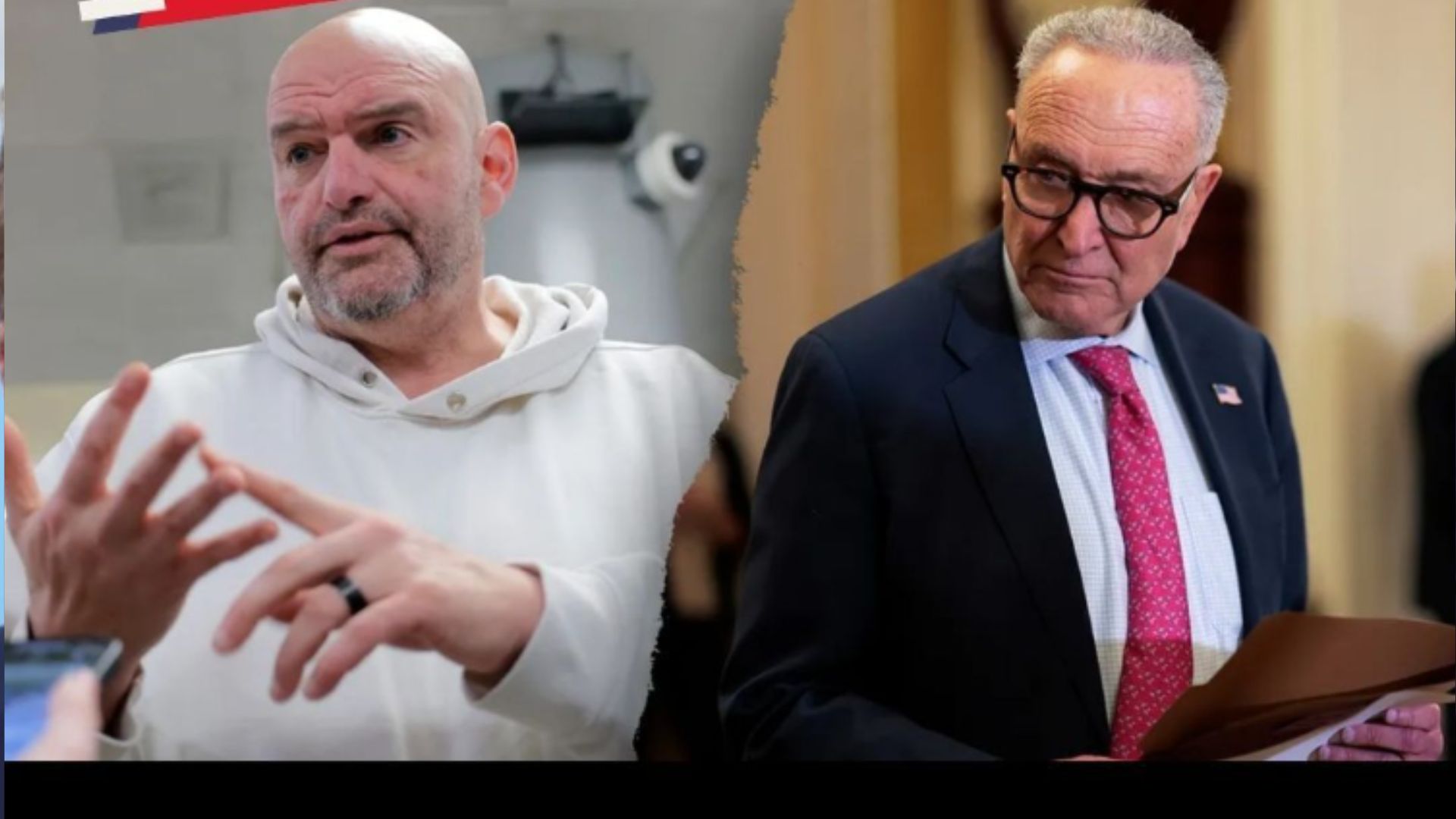
The Fetterman Iran War Powers Resolution vote revealed divisions in Congress over military policy toward Iran. Democratic Sen. John Fetterman of Pennsylvania opposed a resolution seeking to restrict President Donald Trump’s authority.
The Senate measure aimed to require congressional approval before further military actions against Iran. Supporters argued the resolution would reinforce Congress’s constitutional role in war decisions.
However, the proposal faced strong opposition from Republicans, who currently control Congress. As a result, lawmakers acknowledged the measure faced significant challenges.
Despite the expected outcome, supporters said the vote remained important. They viewed it as a test of congressional positions on the expanding conflict.
Fetterman Iran War Powers Resolution and House Efforts
The Fetterman Iran War Powers Resolution debate also extends to the House of Representatives. Lawmakers there plan to vote on a similar measure on Thursday.
However, that proposal also faces political obstacles. According to The Intercept, a group of pro-Israel Democrats introduced competing legislation.
These developments highlight the complex political divisions surrounding U.S. involvement in the conflict. Meanwhile, lawmakers continue debating the limits of presidential authority during military operations.
Although Fetterman opposed the Senate resolution, one Republican supported it. Sen. Rand Paul of Kentucky joined Democrats in backing the measure.
Fetterman Iran War Powers Resolution and Support for Military Action
During the Fetterman Iran War Powers Resolution debate, the Pennsylvania senator defended the administration’s actions. He said President Trump’s efforts to destroy Iran’s nuclear ambitions were appropriate.
Fetterman argued the United States and Israel should continue targeting Iranian leadership connected to the conflict. He made those comments during an interview with CNN’s Kate Bolduan on CNN News Central.
“Just keep killing them until they’re gone,” Fetterman said during the interview. He added that continued military pressure could encourage more stable leadership in Iran.
Fetterman also expressed hope that future Iranian leadership might pursue peaceful coexistence in the region. He said such change could stabilize the Middle East.
Regional Tensions Rise After Khamenei’s Death
The Fetterman Iran War Powers Resolution debate unfolded shortly after major developments in Iran. Ayatollah Ali Khamenei, Iran’s supreme leader for more than three decades, was killed early Saturday.
The strike targeted his compound and parts of Iran’s nuclear program. According to reports, the operation involved joint U.S. and Israeli forces.
Some international media outlets reported that Mojtaba Khamenei, the son of the slain leader, was selected as his successor. However, Iranian state media had not confirmed that decision.
Reports also said an Israeli airstrike struck the building during a meeting of officials voting on leadership. These developments intensified tensions across the region.
Israeli Leaders Warn of Continued Military Operations
Israeli officials signaled continued military operations following the leadership strike. Israeli Defense Minister Israel Katz warned that any new Iranian leader could become a target.
In a statement posted on X, Katz said it did not matter where the successor might hide. He described the strategy as part of the broader military objectives.
Katz said Israeli forces would continue working with American partners. He said the goal is to weaken the Iranian regime’s capabilities.
Israel has openly discussed the possibility of regime change in Iran. However, U.S. officials say their mission focuses on eliminating nuclear and missile threats.
Trump Administration and Future Iranian Leadership
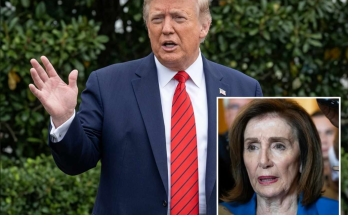
During a press conference on Tuesday, President Donald Trump addressed the leadership situation in Iran. He suggested many potential future leaders were already dead.
Trump also warned that a more extreme successor could represent the worst possible outcome. He said such a development would be undesirable for regional stability.
Meanwhile, Pennsylvania Sen. Dave McCormack, a Republican, also opposed the war powers resolution. His vote aligned with the broader Republican position.
Iranian officials reportedly told U.S. negotiators before the strikes that the country had hidden parts of its nuclear program. They said Iran had enriched enough uranium for at least 11 bombs.