Presidential Impeachment and Criminal Prosecution Debate Returns
The issue of presidential impeachment and criminal prosecution has reemerged in national political debate. The discussion centers on whether a sitting U.S. president should face removal or criminal charges if evidence supports it.
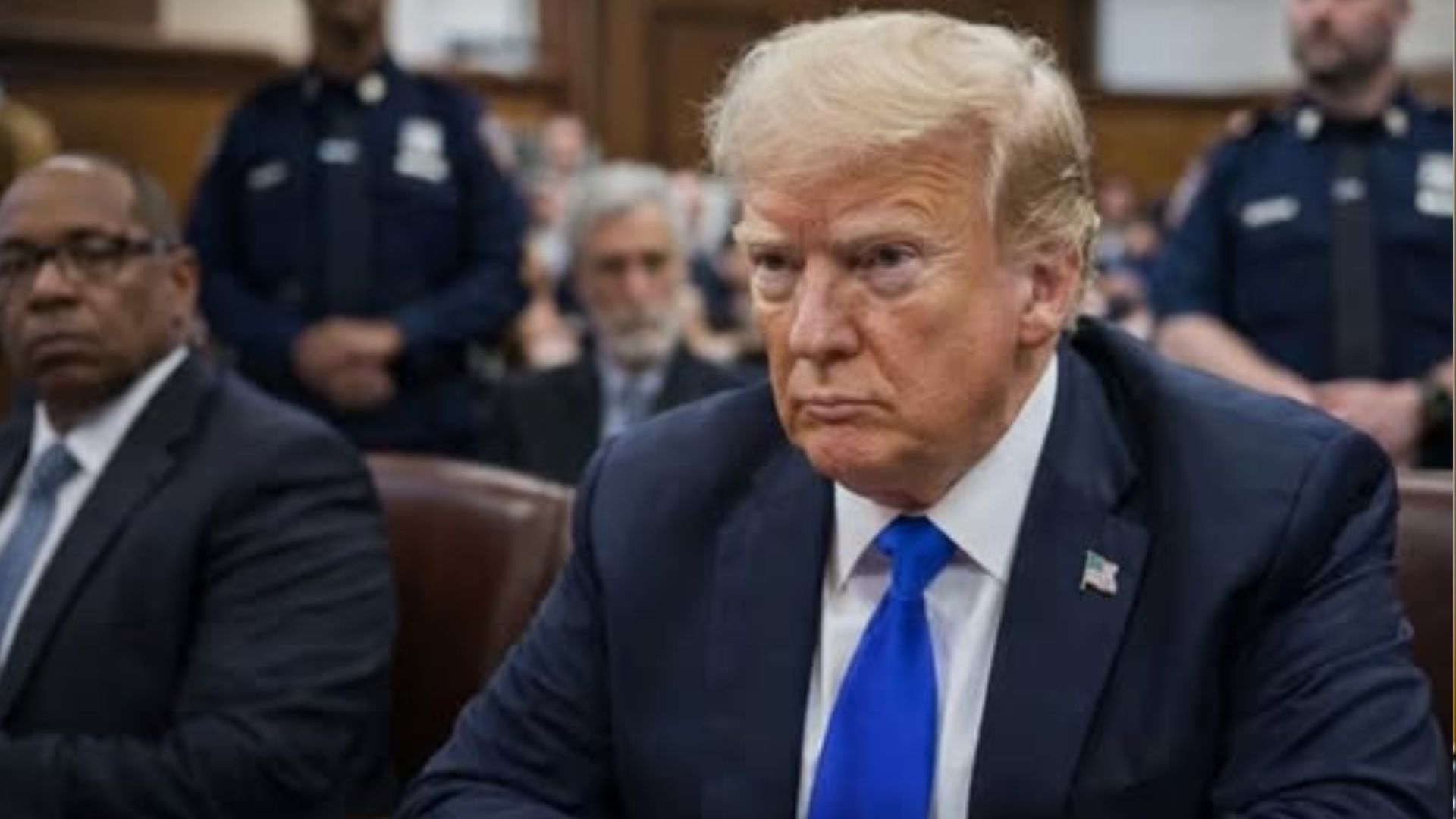
Legal disputes surrounding Donald Trump have kept the question in public focus. These developments continue to dominate conversations across Washington.
Observers say the debate highlights how the American political system handles presidential accountability. Therefore, attention has turned to constitutional processes designed to check executive power.
Presidential Impeachment and Criminal Prosecution Under the Constitution
The presidential impeachment and criminal prosecution process is addressed in the United States Constitution. The document outlines how lawmakers can respond to alleged misconduct by a president.
Under the Constitution, the U.S. House of Representatives has the authority to impeach a president. Impeachment can occur when lawmakers believe “high crimes and misdemeanors” have taken place.
After impeachment, the case moves to the United States Senate. Senators then hold a trial to determine whether the president should be removed from office.
Removal requires a vote by the Senate. However, impeachment alone does not automatically remove a president from power.
Presidential Impeachment and Criminal Prosecution After Office
The concept of presidential impeachment and criminal prosecution also includes actions after a president leaves office. According to constitutional interpretation, former presidents may face criminal prosecution.
Supporters of this principle argue it ensures accountability under the law. They say no public official should remain beyond legal scrutiny.
Therefore, some observers see prosecution after office as a way to protect democratic institutions. They argue the rule of law requires equal treatment for all citizens.
Meanwhile, critics warn the process could carry risks. They say criminal cases against former presidents might intensify political divisions.
Presidential Impeachment and Criminal Prosecution Sparks Political Debate
The presidential impeachment and criminal prosecution debate now reflects broader disagreements in American politics. Different political groups interpret the constitutional framework in different ways.
Supporters argue the system protects democracy by allowing investigation of potential wrongdoing. In their view, legal accountability helps preserve trust in public institutions.
However, critics caution that legal actions involving political leaders could become partisan tools. They argue that aggressive prosecutions might politicize the justice system.
As a result, the discussion continues to focus on balancing accountability and stability. The question remains central as legal proceedings involving Donald Trump continue.
Presidential Impeachment and Criminal Prosecution and Institutional Checks
The ongoing debate about presidential impeachment and criminal prosecution highlights how American institutions check executive authority. The Constitution created several mechanisms to manage potential abuse of power.
Impeachment represents the legislative branch’s role in that system. Meanwhile, criminal courts may handle legal matters once a president leaves office.
These procedures illustrate how power is divided across branches of government. Additionally, they demonstrate how legal frameworks address disputes involving the presidency.
As legal cases and political discussions continue, the issue remains central to national governance. The debate reflects broader questions about accountability, law, and the limits of presidential authority.