Supreme Court Shadow Docket Debate Emerges in Key Cases
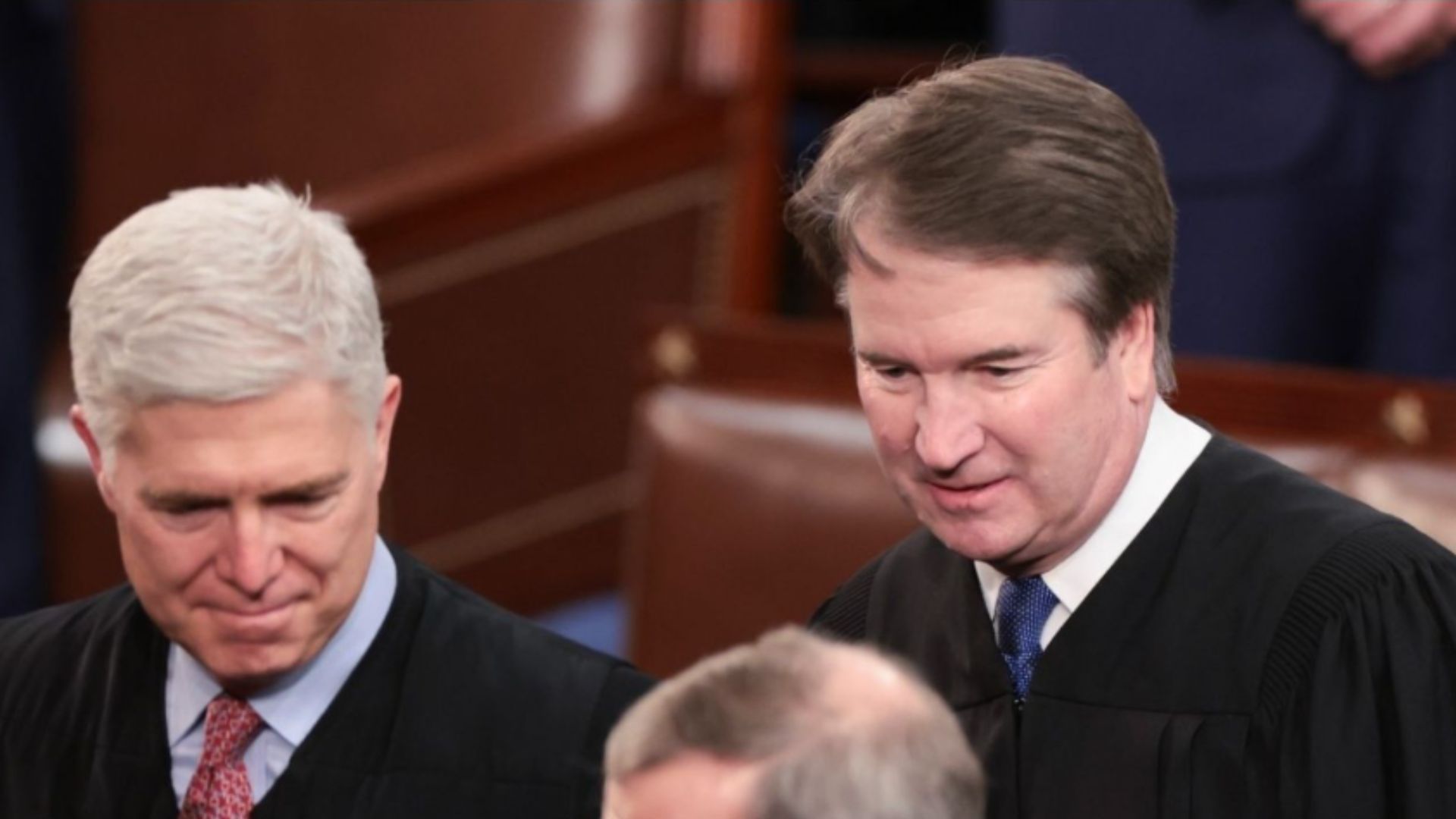
The Supreme Court Shadow Docket debate gained attention after comments from Justices Neil Gorsuch and Brett Kavanaugh. Both warned lower court judges against ignoring Supreme Court precedent.
Gorsuch issued the warning in a case involving President Donald Trump’s administration. The dispute concerned the cancellation of nearly $800 million in federal research grants.
In the opinion, Gorsuch emphasized the authority of Supreme Court rulings. He stated that lower courts may disagree with decisions but cannot defy them.
The ruling criticized a lower court for disregarding an earlier Supreme Court order. Justice Brett Kavanaugh joined the opinion supporting the decision.
Supreme Court Shadow Docket Case Involving Research Grants
The Supreme Court Shadow Docket issue surfaced in a decision allowing the administration to keep research grants frozen. The ruling overturned a decision by U.S. District Judge William Young.
Young had criticized the government’s actions in the case. However, the Supreme Court determined that precedent controlled the legal issue.
Gorsuch noted that the case represented the third intervention within weeks. Each case involved issues previously decided by the Supreme Court.
“When this court issues a decision, it constitutes a precedent that commands respect in lower courts,” Gorsuch wrote.
Discussion Highlights Criticism of Supreme Court Shadow Docket
The Supreme Court Shadow Docket debate continued during a public discussion involving Justice Ketanji Brown Jackson and Justice Brett Kavanaugh. The event took place at a federal courthouse.
Senior U.S. District Judge Paul Friedman moderated the discussion for lawyers and judges. The conversation lasted about an hour.
During the event, Jackson criticized the court’s increased reliance on emergency rulings. These rulings often occur through the process known as the shadow docket.
The shadow docket allows justices to act without full legal briefing or oral arguments. Decisions often involve shorter written explanations.
Justice Jackson Raises Concerns About Emergency Decisions
Jackson strongly criticized the rise in Supreme Court Shadow Docket decisions. She argued that the emergency process raises concerns for the judiciary.
Jackson described the emergency process as “a warped kind of proceeding.” She also said it may not serve the court or the country well.
Additionally, Jackson suggested the number of emergency applications might decline if the court granted fewer requests. She said increased intervention could shape how lower courts behave.
According to Jackson, judges may issue broader rulings expecting Supreme Court review. This expectation could influence decisions in politically sensitive cases.
Kavanaugh Defends Supreme Court Shadow Docket Process
Justice Brett Kavanaugh rejected Jackson’s criticism of the Supreme Court Shadow Docket. He defended the court’s responsibility to handle emergency requests.
Kavanaugh said the justices cannot ignore emergency applications once they arrive. Declining to act could allow a single lower court ruling to dictate national policy.
He noted that lower court injunctions sometimes block presidential policies nationwide. In those situations, the Supreme Court must respond quickly.
Kavanaugh also said emergency requests increased during multiple administrations. He noted the court granted similar requests from the Biden administration, though at a slightly lower rate.
Changing Political Environment Drives Court Cases
Kavanaugh said the rise in Supreme Court Shadow Docket cases reflects broader political trends. Presidents increasingly rely on executive actions to implement policy.
He said Congress often struggles to pass legislation in a divided political environment. As a result, presidents turn to executive orders and administrative decisions.
These actions frequently face immediate legal challenges in federal court. According to Kavanaugh, the judiciary has become a central battleground for political disputes.
Kavanaugh also noted that the court sometimes hears full arguments instead of issuing emergency rulings. In those cases, the justices provide more detailed legal reasoning.
Court Leadership and Institutional Credibility
Kavanaugh praised Chief Justice John Roberts for navigating tensions within the court. He said Roberts works to maintain the institution’s credibility.
Roberts recently rejected calls to impeach judges who ruled against the Trump administration. He said impeachment should not result from disagreements with judicial decisions.
Meanwhile, Justice Samuel Alito criticized a lower court ruling involving another Trump policy. He described the decision as an “act of judicial hubris.”
Jackson acknowledged that the Supreme Court Shadow Docket issue is complicated. She said there is no easy solution to the debate.