Trump Emergency Tariffs Supreme Court Ruling Expected Soon
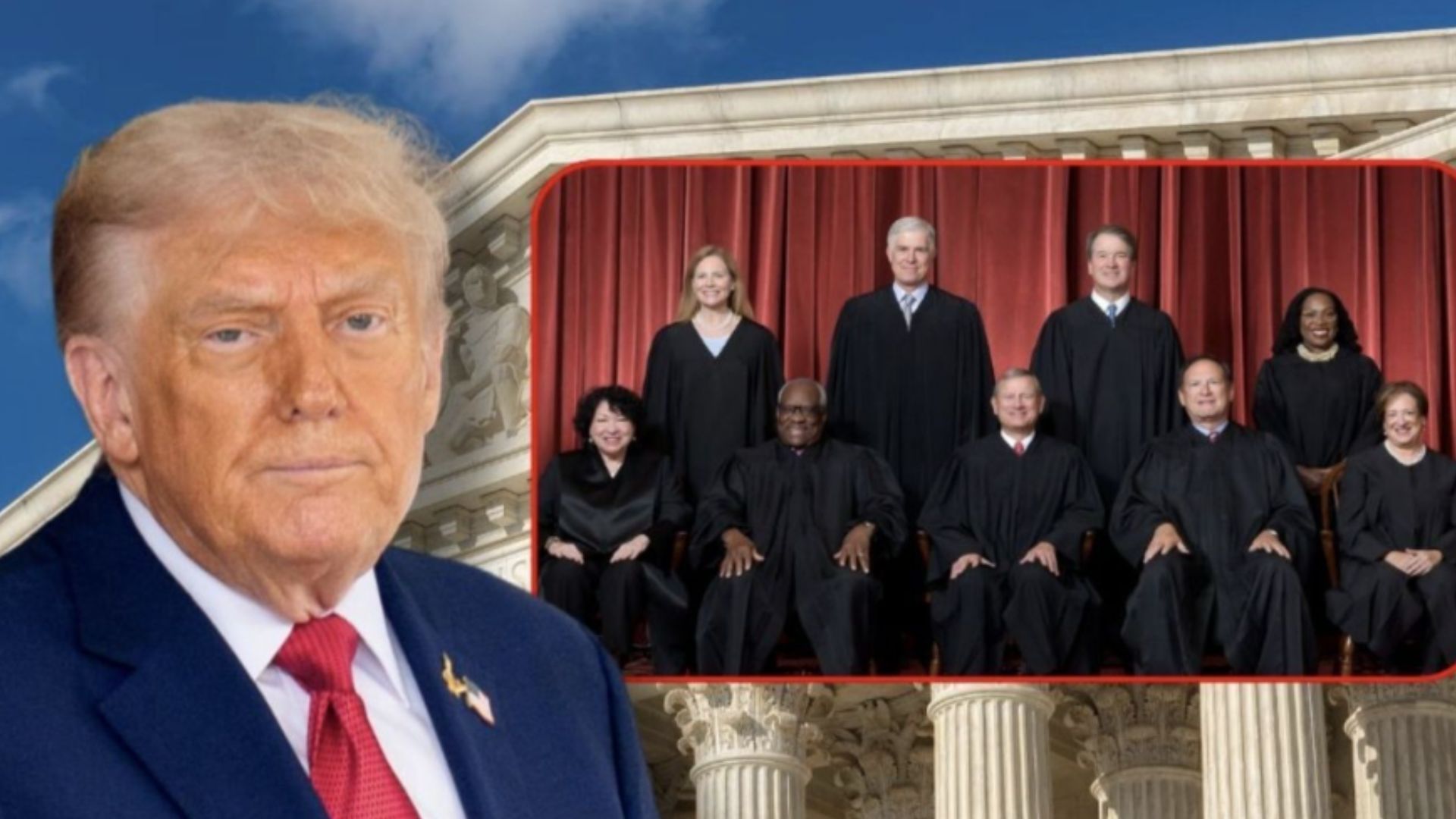
The Trump Emergency Tariffs Supreme Court case could reach a decision soon. Officials say the ruling might come before the court’s current term ends.
Treasury Secretary Scott Bessent said he believes the justices are unlikely to overturn the president’s actions. He made the comments during an appearance on Meet the Press.
Bessent argued that the court generally avoids disrupting major economic policies. Therefore, he suggested the court would likely uphold the president’s authority.
“I believe that it is very unlikely that the Supreme Court will overrule a president’s signature economic policy,” Bessent said.
Trump Emergency Tariffs Supreme Court Debate Linked to Economic Powers
The Trump Emergency Tariffs Supreme Court debate centers on presidential authority during national emergencies. The administration has relied on the International Emergency Economic Powers Act (IEEPA).
This law allows presidents to use economic tools during unusual national threats. It provides broad authority for sanctions and other financial measures.
Last month, the Supreme Court ruled on a separate health care issue. The justices upheld a key provision of the Affordable Care Act.
That ruling allowed a federal panel to recommend preventive services insurers must cover. According to CNBC, the decision demonstrated the court’s cautious approach to overturning major policies.
Trump Emergency Tariffs Supreme Court Case Tied to Greenland Dispute
The Trump Emergency Tariffs Supreme Court issue gained attention after the president announced new tariffs on European goods. The plan followed disputes over Greenland, an autonomous territory of Denmark.
Trump said tariffs would apply to goods from Denmark, Norway, Sweden, France, Germany, the United Kingdom, the Netherlands, and Finland. The tariffs would start at 10 percent on Feb. 1.
The rate would rise to 25 percent on June 1. Trump said the measures would remain until a deal involving the purchase of Greenland is reached.
Meanwhile, the president argued that the United States must secure strategic positions in the Arctic region. He warned that growing geopolitical tensions require stronger action.
Trump Emergency Tariffs Supreme Court Dispute Sparks International Response
The Trump Emergency Tariffs Supreme Court debate has drawn responses from European leaders. Several countries issued a joint statement supporting Denmark.
Leaders from Denmark, Finland, France, Germany, the Netherlands, Norway, Sweden, and the United Kingdom expressed solidarity with Greenland. They warned that tariff threats could harm transatlantic relations.
The statement emphasized respect for sovereignty and territorial integrity. It also called for dialogue rather than economic pressure.
Meanwhile, Trump argued that past U.S. trade policies favored European allies. He said the United States had effectively subsidized these nations for years.
Strategic Concerns Highlighted in Trump Emergency Tariffs Supreme Court Case
The Trump Emergency Tariffs Supreme Court dispute also reflects broader security concerns. The administration says Greenland is strategically important for U.S. defense.
Officials argue that acquiring Greenland would help counter growing Russian and Chinese influence in the Arctic. Therefore, the administration considers the issue critical to national security.
Treasury Secretary Bessent described the tariffs as a preventive measure. He said the strategy aims to avoid future conflict.
“The national emergency is avoiding a national emergency,” Bessent said.
Diplomatic Talks Continue Amid Trump Emergency Tariffs Supreme Court Debate
While legal questions remain, diplomatic discussions have continued. Vice President JD Vance and Secretary of State Marco Rubio recently met with Danish officials.
The meeting included Danish Foreign Minister Lars Lokke Rasmussen and Greenland Foreign Affairs Minister Vivian Motzfeldt. The talks took place at the White House.
Following the meeting, both sides agreed to form a high-level working group. The group will discuss Greenland’s future and potential cooperation.
Meanwhile, CNBC reported that it contacted the White House and Treasury Department for clarification. Officials have not yet specified the exact legal authority used for the tariffs.
The Supreme Court’s upcoming decision could determine how far presidential economic powers extend. Until then, the administration continues defending its strategy.